

Quick Answer: Is Telemedicine Better Than an In-Person Doctor Visit?#
Telemedicine and in-person doctor visits each have unique advantages. Telemedicine provides convenience, faster access to healthcare professionals, easier follow-up care, and access to specialists without travel. In-person visits are essential for physical examinations, emergency treatment, diagnostic procedures, and complex medical situations requiring direct evaluation.
The best choice depends on your medical condition, symptoms, urgency, and the healthcare professional’s recommendation.
Introduction #
Healthcare has evolved significantly with digital technology. Today, patients can receive medical guidance from home through telemedicine or visit healthcare facilities for traditional face-to-face care.
Both approaches play an important role in modern healthcare, but many patients wonder:
- Is telemedicine as effective as an in-person visit?
- When should I choose a virtual consultation?
- What are the limitations of online healthcare?
- Which option is safer and more suitable for my condition?
The answer is not that one option is always better than the other. Telemedicine and traditional healthcare often work together to provide complete patient care.
Understanding their differences can help you make informed healthcare decisions.
What Is a Telemedicine Visit? #
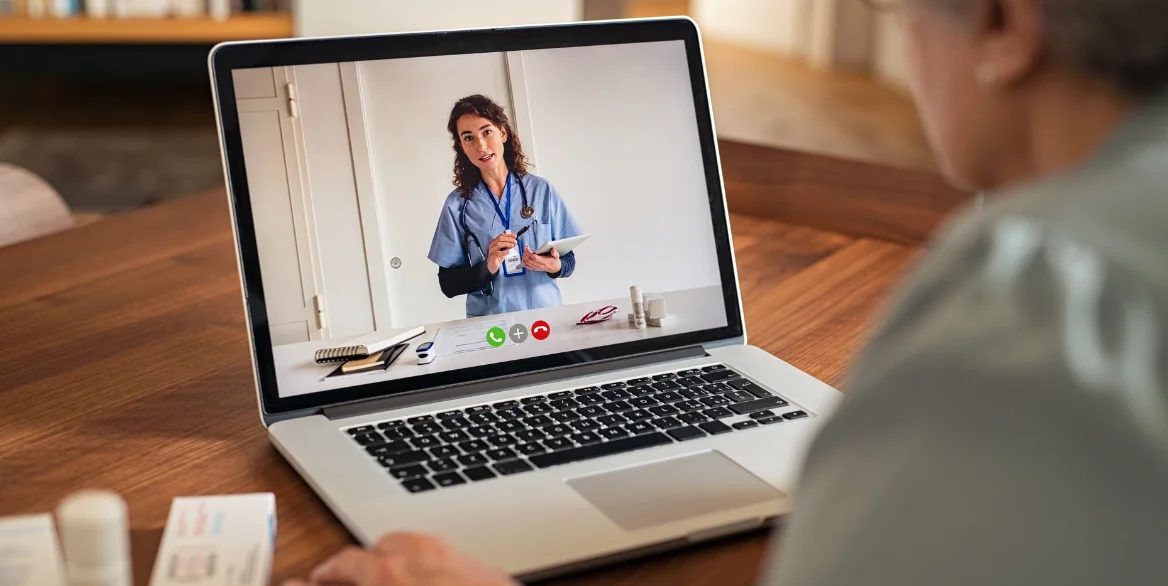
A telemedicine visit is a remote medical consultation that allows patients to connect with healthcare professionals without visiting a clinic or hospital. Consultations are conducted through secure digital communication technologies, making healthcare more accessible and convenient.
Telemedicine visits may take place using:
- • Video consultations
- • Phone consultations
- • Secure digital healthcare platforms
During a telemedicine visit, patients can discuss symptoms, review medical reports, receive specialist opinions, manage chronic conditions, and attend follow-up appointments from the comfort of their home.
What Is an In-Person Doctor Visit? #
An in-person doctor visit is a face-to-face consultation that takes place at a clinic, hospital, or other healthcare facility. It allows healthcare professionals to perform physical assessments and provide medical care that cannot be delivered remotely.
During an in-person appointment, healthcare professionals can:
- • Perform a physical examination
- • Conduct medical procedures
- • Perform certain diagnostic tests
- • Observe physical signs that may not be visible during a virtual consultation
- • Provide emergency and urgent medical treatment
In-person care remains essential for many medical conditions, particularly those requiring hands-on evaluation, diagnostic testing, procedures, or emergency treatment.
Key Differences Between Telemedicine and In-Person Doctor Visits #
Telemedicine and in-person healthcare each have unique advantages. The right choice depends on your symptoms, medical needs, and whether a physical examination or emergency treatment is required.
| Factor | Telemedicine | In-Person Visit |
|---|---|---|
| Location | Consult from home or any private place | Requires visiting a clinic or hospital |
| Travel | No travel required | Travel required |
| Waiting Time | Often shorter | May involve longer waits |
| Physical Examination | Limited | Complete examination possible |
| Access to Specialists | Can connect with specialists in different regions | Usually limited by location |
| Emergency Care | Not suitable | Essential for emergencies |
| Follow-Up Visits | More convenient | Requires another physical visit |
| Medical Procedures | Not possible | Available when required |
Both telemedicine and in-person care play important roles in healthcare and often work together to provide comprehensive patient care.
Benefits of Telemedicine #
Telemedicine makes healthcare more accessible by reducing travel, improving convenience, and helping patients connect with healthcare professionals from wherever they are.
Greater Convenience
Patients can receive medical guidance without spending time traveling, waiting in clinics, or arranging transportation. This is especially helpful for elderly patients, busy professionals, people with mobility limitations, and international patients.
Better Access to Specialists
Telemedicine removes geographical barriers, allowing patients to connect with specialists who may not be available nearby. It is particularly valuable for complex health conditions, rare diseases, medical second opinions, and chronic disease management.
Easier Follow-Up Care
Virtual follow-up appointments make it easier to discuss test results, medication changes, recovery progress, and long-term treatment plans without unnecessary travel, helping maintain continuity of care.
Reduced Time and Additional Expenses
By reducing travel requirements and minimizing time away from work or daily activities, telemedicine can help patients save both time and travel-related expenses while accessing quality healthcare.
Benefits of In-Person Doctor Visits #
In-person healthcare remains essential for many medical situations, especially when physical examinations, diagnostic testing, or immediate treatment are required.
Physical Examination
Doctors can examine the body directly, allowing them to assess symptoms, identify physical signs, and accurately evaluate many medical conditions that cannot be fully assessed through virtual consultations.
Diagnostic Tests and Procedures
Certain tests and treatments require specialized equipment or direct medical intervention. These include blood tests, imaging procedures, surgeries, and other treatments that can only be performed at a healthcare facility.
Immediate Emergency Care
Medical emergencies such as severe chest pain, difficulty breathing, major injuries, severe bleeding, or symptoms of stroke require immediate in-person evaluation and treatment at a hospital or emergency department.
When Should You Choose Telemedicine? #
Telemedicine can be a convenient option for many non-emergency healthcare needs. It is particularly useful when a physical examination or immediate medical procedure is not required.
Telemedicine may be suitable for:
- • General health questions and minor illnesses
- • Follow-up appointments
- • Reviewing blood tests and imaging reports
- • Chronic disease management
- • Medication discussions
- • Mental health consultations
- • Skin concerns that can be evaluated visually
- • Specialist consultations
- • Medical second opinions
- • Patients living in remote areas or international patients seeking expert opinions
A healthcare professional can determine whether virtual care is appropriate based on your symptoms and medical history.
When Should You Choose an In-Person Doctor Visit? #
Traditional face-to-face healthcare remains essential for many medical situations, especially when physical examinations, diagnostic testing, or immediate treatment are required.
You should choose an in-person visit for:
- • Symptoms requiring a physical examination
- • Medical procedures and treatments
- • Diagnostic testing that cannot be done remotely
- • Worsening or severe symptoms
- • Conditions requiring direct monitoring
Seek immediate emergency medical care for:
- • Severe chest pain
- • Difficulty breathing
- • Sudden weakness or facial drooping
- • Difficulty speaking or signs of stroke
- • Severe bleeding
- • Loss of consciousness
- • Serious accidents or injuries
- • Severe allergic reactions
If you are unsure whether your condition can be managed through telemedicine, consult a healthcare professional. They can advise whether virtual care is appropriate or if an in-person evaluation is necessary.
Limitations of Telemedicine #
Although telemedicine offers many advantages, it also has certain limitations. Some healthcare needs require in-person evaluation, diagnostic testing, or medical procedures that cannot be provided remotely.
Limited Physical Examination
Healthcare professionals cannot perform a complete hands-on physical examination during a virtual consultation, which may limit the assessment of certain medical conditions.
Dependence on Technology
Telemedicine requires a smartphone, tablet, or computer, a stable internet connection, and basic digital skills. Technical issues may occasionally affect communication during appointments.
Not Suitable for Every Condition
Some medical concerns require laboratory tests, imaging studies, procedures, or direct observation by a healthcare professional, making an in-person visit necessary.
Limitations of In-Person Doctor Visits #
Traditional healthcare remains essential for many medical conditions, but it can also present practical challenges depending on a patient's location, schedule, and access to healthcare services.
Travel and Time Commitment
Patients may need to travel long distances, arrange transportation, and spend additional time waiting for appointments, making healthcare less convenient for some individuals.
Limited Access to Specialists
Patients living in rural or underserved areas may have limited access to experienced specialists and may need to travel to receive expert medical care.
Scheduling Challenges
Appointment availability may vary depending on the specialty, location, and healthcare provider, sometimes resulting in longer waiting periods before receiving care.
Telemedicine Myths vs Facts #
There are many misconceptions about telemedicine. Understanding the facts can help patients make informed decisions about when virtual healthcare is the right choice.
| Myth | Fact |
|---|---|
| Telemedicine is not real healthcare | Qualified healthcare professionals can provide appropriate medical guidance remotely when suitable. |
| Online consultations are only for minor illnesses | Telemedicine can also support chronic disease management, specialist consultations, and medical second opinions. |
| Telemedicine can replace all doctor visits | Many conditions still require physical examinations, diagnostic testing, medical procedures, or emergency care. |
| In-person visits are always better | The best option depends on the medical condition, patient needs, and the healthcare professional's recommendation. |
| Telemedicine is complicated to use | Most telemedicine platforms are designed to make booking and attending appointments simple and user-friendly. |
Both telemedicine and in-person healthcare have important roles. Choosing the right option depends on your symptoms, medical needs, and your healthcare professional's advice.
Frequently asked questions
Is telemedicine as effective as an in-person doctor visit?
What are the main differences between telemedicine and traditional doctor visits?
When is telemedicine a better option?
When should I choose an in-person doctor visit?
Can telemedicine replace hospitals?
Is telemedicine suitable for elderly patients?
Can international patients use telemedicine?
Are telemedicine consultations private and secure?
Does insurance cover telemedicine and in-person visits?
Which is better: telemedicine or an in-person doctor visit?
Key takeaways
- Telemedicine and in-person healthcare each have unique benefits and limitations.
- Telemedicine provides convenience, easier access to specialists, and simpler follow-up care.
- In-person visits are necessary for emergencies, physical examinations, procedures, and certain diagnostic evaluations.
- The best healthcare approach often combines virtual care with traditional medical visits based on individual patient needs.