
What Is Telemedicine?#
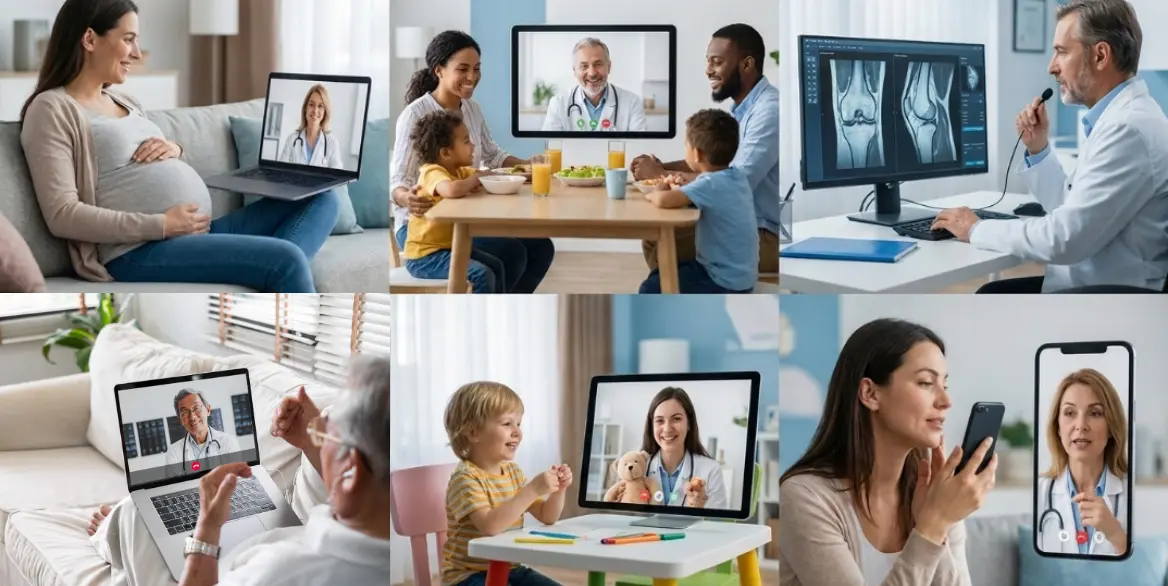
Telemedicine refers to the delivery of healthcare services remotely through digital technologies, including video consultations, phone calls, mobile applications, and secure online platforms. It enables the patients to get the consultation of doctors and healthcare professionals without visiting the hospital or a clinic physically.
General health issues, specialist consults, follow-up visits, chronic disease management, mental health care, preventive care and medical second opinions can all be managed with telemedicine. It makes healthcare more accessible by overcoming geographical boundaries and making medical services more convenient for patients.
Introduction #
A lot has changed within the healthcare industry in recent years. Previously, it was only possible to obtain medical help if a person visited a clinic, scheduled an appointment, and visited a doctor in person. Although traditional healthcare is still important, thanks to technological advances, it has become possible to introduce a new approach to connecting patients and doctors through telemedicine.
Telemedicine makes it possible for patients to contact a medical expert anywhere in the world via smartphones, computer, or any other device with internet access. Regardless of whether a person needs consultations concerning a common disease, follow-up after surgery, treatment of chronic illness, or second opinion by a specialist living thousands of miles away, telemedicine can be helpful.
Digital healthcare has revolutionized the experience of obtaining medical services. Nowadays, millions of people across the globe take advantage of telemedicine because of its convenience and quick access to specialists.
However, many people still ask important questions:
- What does telemedicine actually mean?
- How does a telemedicine appointment work?
- Are online doctors trustworthy?
- What medical conditions can be treated through telemedicine?
- Is telemedicine safe and secure?
- What are its advantages and limitations?
This comprehensive guide answers these questions and explains everything patients should know about telemedicine.
Telemedicine Meaning and Definition#
The term telemedicine combines two words:
- • Tele – meaning distance
- • Medicine – meaning medical care
In simple terms, telemedicine means delivering medical care from a distance using communication technologies.
The telemedicine physician can communicate with the patient via video calls, phone, messages, or dedicated health care platform. The doctor during a virtual consultation can talk about symptoms, consider medical history, assess the results or medical images, give medical advice, recommend treatment alternatives, and determine if a visit to the clinic is required.
Telemedicine plays a key role in digital health care and has become one of the most crucial solutions in providing good-quality medical care.
Why Is Telemedicine Important in Modern Healthcare? #
Access to quality healthcare is not equal for everyone. Many patients face challenges such as:
Telemedicine makes it possible for patients to contact a medical expert anywhere in the world via smartphones, computer, or any other device with internet access. Regardless of whether a person needs consultations concerning a common disease, follow-up after surgery, treatment of chronic illness, or second opinion by a specialist living thousands of miles away, telemedicine can be helpful.
Digital healthcare has revolutionized the experience of obtaining medical services. Nowadays, millions of people across the globe take advantage of telemedicine because of its convenience and quick access to specialists.
However, many people still ask important questions:
- • Living far from experienced specialists
- • Long waiting times for appointments
- • Difficulty traveling due to illness or disability
- • Busy personal and professional schedules
- Limited access to specific medical expertise in their region
Telemedicine helps overcome many of these barriers by connecting patients with healthcare providers remotely.
Better Access to Medical Specialists
A patient living in a small city or a different country may not have access to highly experienced specialists. Through telemedicine services, patients can consult doctors from other regions without immediately traveling long distances.
This is particularly valuable for complex medical conditions where expert opinions can influence important treatment decisions.
Saves time and travel
One of the biggest advantages of telemedicine is convenience. Patients can attend a medical consultation from their home, office, or any location with internet access.
This reduces travel time, transportation costs, and the stress associated with visiting a healthcare facility.
Support for Chronic Disease Management
Patients with long-term health conditions often require regular medical follow-ups. Telemedicine can help patients maintain communication with healthcare providers, discuss symptoms, review treatment progress, and receive guidance for ongoing care.
Faster Medical Second Opinions
Many patients seek a second opinion before undergoing major procedures or making important treatment decisions.
Through telemedicine, patients can share medical reports, imaging scans, and health records with specialists across different locations and receive expert guidance remotely.
Reduced Unnecessary Hospital Visits
Not every medical concern requires an immediate physical visit to a hospital or clinic. For many non-emergency situations, telemedicine provides a convenient first step to discuss symptoms and receive professional medical advice.
How Does Telemedicine Work?#
How does telemedicine work?” is one of the most popular questions asked by patients.
The procedure is supposed to be simple and easy for patients of all ages to access. A telemedicine visit is the means through which patients are able to interact with medical personnel without being in the same physical space as them via technology.
Schedule a Telemedicine Appointment
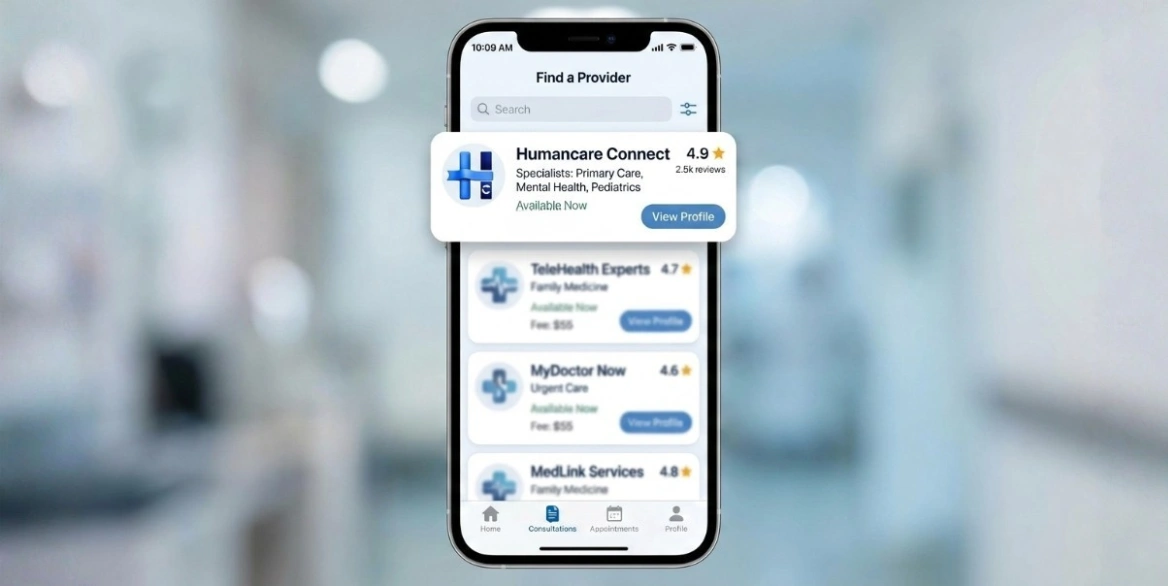
The journey begins by booking an online appointment with a doctor or specialist. Patients can schedule their consultation through a healthcare website, mobile application, telephone call, or a secure telemedicine platform.
You can choose the type of consultation that best suits your healthcare needs:
- • General physician consultation
- • Specialist consultation
- • Follow-up appointment
- • Medical second opinion
- • Chronic disease management consultation
Share Medical Information
Before your consultation, you may be asked to provide important medical information so the doctor can better understand your condition and offer personalized medical guidance.
This may include:
- • Medical history
- • Current symptoms
- • Previous diagnoses
- • Current medications
- • Allergies
- • Laboratory reports
- • Medical scans and imaging reports
Providing complete and accurate information helps the doctor make a more informed clinical assessment and recommend the most appropriate treatment.
Connect With the Doctor Online
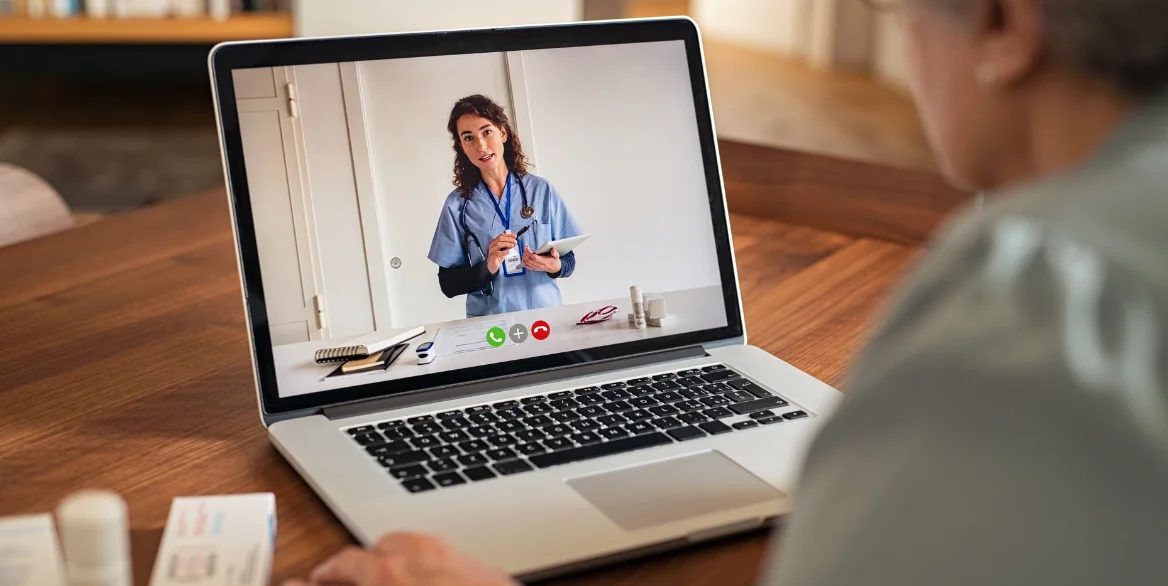
At your scheduled appointment time, you will connect with your healthcare professional through a secure telemedicine platform. Depending on the service, consultations may take place through video, telephone, or secure messaging.
Video Consultation
Video consultations are the most widely used form of telemedicine because they allow doctors and patients to communicate face-to-face remotely.
During a video consultation, the doctor may:
- • Discuss your symptoms
- • Observe visible signs such as skin conditions or swelling
- • Assess your overall appearance
- • Explain treatment options
- • Answer your questions
Telephone Consultation
Phone consultations are useful for discussing symptoms, reviewing medications, receiving follow-up advice, or obtaining general health guidance.
Secure Messaging
Some telemedicine services also offer secure text-based messaging, allowing patients to ask non-emergency questions, share updates, and receive medical instructions from their healthcare provider.
Receive Medical Advice & Treatment Guidance
After reviewing your symptoms, medical history, and any reports you have shared, the doctor will provide medical advice tailored to your health condition.
You may receive:
- • A possible diagnosis or clinical assessment
- • Advice on managing symptoms
- • Lifestyle recommendations
- • Suggestions for additional tests or investigations
- • Guidance on whether an in-person examination is necessary
Depending on local regulations and the healthcare provider's policies, doctors may also issue electronic prescriptions where legally appropriate.
Follow-Up Care
Healthcare does not always end after a single consultation. Many patients benefit from follow-up appointments to ensure their treatment is working effectively and their health continues to improve.
Follow-up consultations may be recommended to:
- • Monitor recovery
- • Discuss test results
- • Adjust treatment plans
- • Manage chronic conditions
- • Track long-term health progress
Telemedicine makes follow-up care more convenient by reducing unnecessary travel while allowing patients to stay connected with their healthcare providers from the comfort of home.
Types of Telemedicine #
Telemedicine includes several different approaches to delivering healthcare remotely. Understanding these types helps patients choose the most suitable service for their healthcare needs. Each type is designed to improve access to medical care while making consultations more convenient and efficient.
1. Real-Time Interactive Telemedicine
Also known as live telemedicine, this involves real-time communication between a patient and a healthcare provider. It is the most common form of telemedicine and is widely used for routine medical consultations, follow-up visits, and specialist opinions.
Common examples include:
- • Video consultations
- • Telephone appointments
- • Live virtual meetings with doctors
2. Store-and-Forward Telemedicine
Store-and-forward telemedicine allows medical information to be collected and securely sent to a healthcare specialist for review at a later time. The specialist evaluates the information and provides recommendations without requiring a live consultation.
Patients may share:
- • Medical images
- • Laboratory reports
- • X-rays
- • MRI or CT scan reports
- • Patient medical records
This model is commonly used in specialties such as radiology, dermatology, and pathology.
3. Remote Patient Monitoring (RPM)
Remote Patient Monitoring (RPM) uses digital devices to collect and transmit patient health information directly to healthcare professionals. This enables doctors to monitor a patient's condition without requiring frequent clinic visits.
Common health measurements include:
- • Blood pressure
- • Blood glucose levels
- • Heart rate
- • Oxygen saturation
- • Body weight
This approach is especially beneficial for patients living with chronic medical conditions who require regular monitoring and ongoing care.
4. Mobile Health (mHealth)
Mobile Health (mHealth) refers to healthcare services delivered through smartphones, tablets, wearable devices, and mobile health applications. It helps patients stay connected with their healthcare providers and actively manage their health.
Examples include:
- • Medication reminders
- • Health tracking apps
- • Fitness monitoring
- • Appointment reminders
- • Communication with healthcare providers
mHealth makes it easier for patients to stay engaged in their healthcare journey while supporting better long-term health management.
Technology Behind Telemedicine #
Modern telemedicine relies on several technologies that allow doctors and patients to communicate effectively and securely.
These technologies include:
Secure Video Conferencing Platforms
High-quality video communication enables real-time doctor-patient interaction while maintaining privacy and confidentiality.
Electronic Health Records (EHR)
Digital health records allow doctors to access patient history, previous treatments, test reports, and other important information more efficiently.
Mobile Applications
Healthcare apps allow patients to:
- • Book appointments
- • Receive reminders
- • Track health metrics
- • Communicate with healthcare providers
Digital Medical Devices
Connected devices such as blood pressure monitors, glucose monitors, and wearable sensors help healthcare professionals monitor patient health remotely.
Telemedicine vs Traditional Healthcare: Understanding the Difference #
Both telemedicine and in-person healthcare have important roles in modern medicine. The right choice depends on the patient's medical condition, urgency, and healthcare needs.
| Feature | Telemedicine | Traditional Healthcare |
|---|---|---|
| Location | Access from home or any location | Requires travel to a clinic or hospital |
| Convenience | Very convenient | May involve waiting and travel time |
| Access to Specialists | Can connect with specialists globally | Usually limited to local availability |
| Follow-up Visits | Easier and faster | Requires physical visits |
| Physical Examination | Limited | Complete hands-on examination |
| Emergency Care | Not suitable | Essential for emergencies |
| Cost and Travel Expenses | Often lower due to reduced travel | May include transportation and other expenses |
Conditions commonly treated over telemedicine #
- Cold, flu, allergies and minor infections
- Skin conditions (rashes, acne, mild eczema)
- Diabetes and hypertension follow-ups
- Mental health and counselling sessions
- Prescription renewals and medication reviews
- Post-surgical follow-up checks
When to skip telemedicine
Chest pain, difficulty breathing, severe bleeding, stroke symptoms, or any life-threatening emergency need immediate in-person emergency care — call your local emergency number instead of booking a virtual visit.
Safety, privacy & limitations #
Reputable telemedicine platforms use encrypted video and store medical records under the same privacy standards as a hospital. At Humancare Connect, every doctor is verified against national medical council registrations before they can consult.
That said, virtual care has real limits — a doctor can't listen to your lungs or press on your abdomen through a screen. Some conditions genuinely require hands-on examination, imaging, or lab work that only a physical visit can provide.
Tip: get the most out of your consult
Keep your recent reports, current medications, and a list of symptoms ready before the call — it helps the doctor reach a clearer diagnosis faster.
Cost and insurance coverage #
Virtual consultations are typically priced lower than an in-clinic visit since they remove facility overheads. Most major insurers now reimburse telemedicine at parity with in-person visits, though coverage varies by plan and specialty. Always confirm with your provider before booking if reimbursement matters to you.
Myths vs. facts #
Telemedicine doctors aren't "real" or fully licensed physicians.
Every doctor must hold the same medical license required for in-person practice.
You can't get a prescription through a video call.
Licensed doctors can issue e-prescriptions for most non-controlled medications.
Telemedicine is only useful for minor colds.
It also supports chronic disease management, mental health and specialist follow-ups.
Need medical advice?
Connect with licensed healthcare professionals from anywhere, in minutes.