
Quick Answer: Are Online Doctors Real Doctors?#
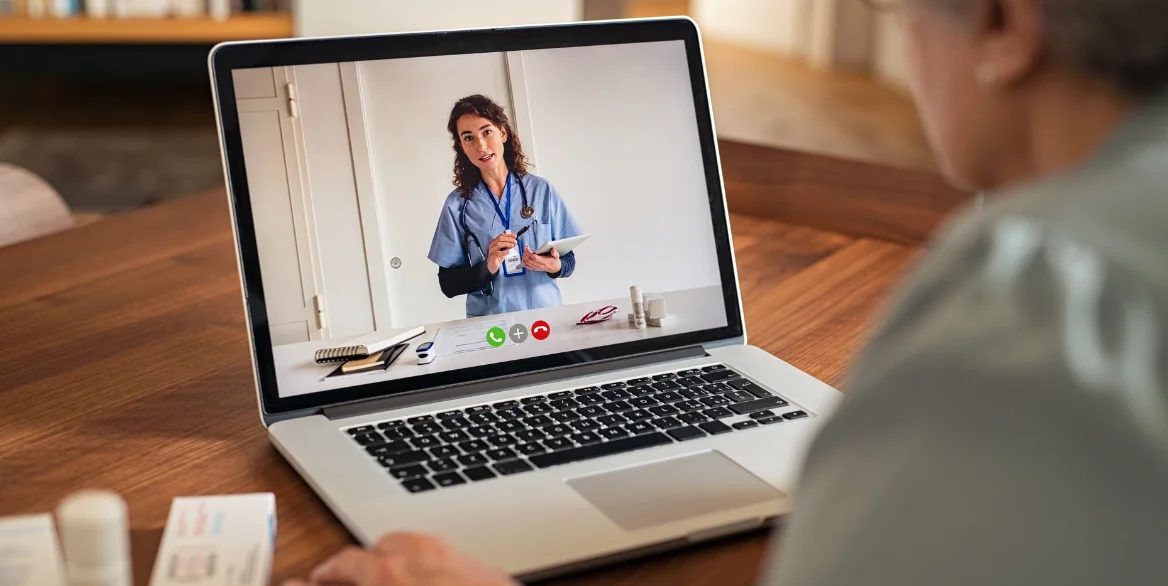
Yes, online doctors can be real, qualified healthcare professionals. Telemedicine consultations are provided by licensed and appropriately qualified doctors and healthcare professionals who offer medical services remotely through secure digital platforms.
However, the qualifications, licensing requirements, and scope of practice depend on the country, region, and the healthcare provider. Patients should always choose reputable telemedicine services that clearly provide information about their doctors' credentials, specialties, and professional experience.
Introduction #
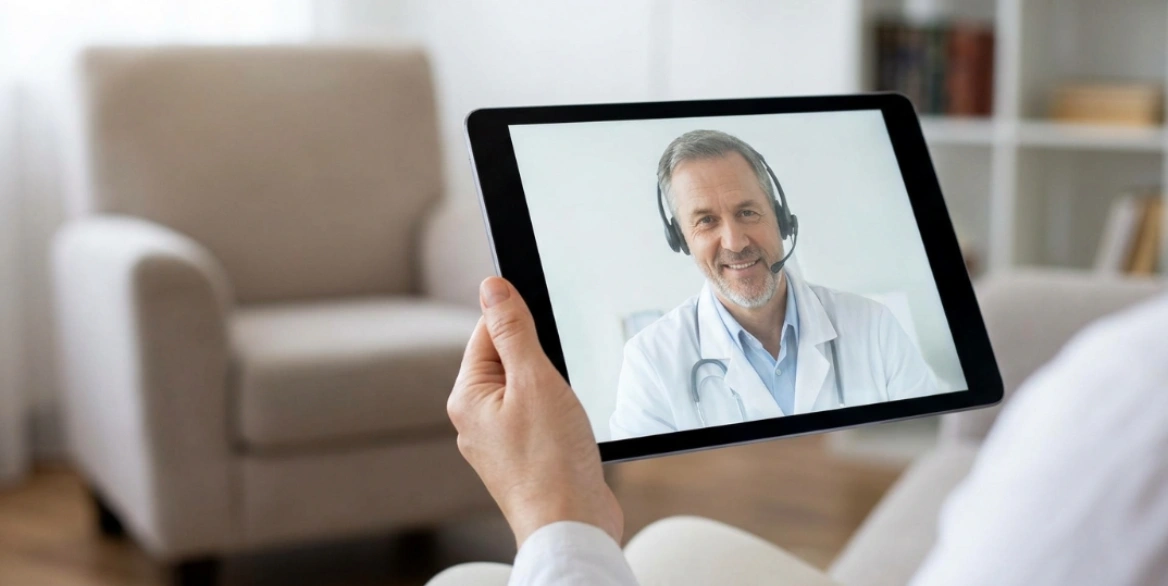
The rise of telemedicine has changed how people access healthcare. Patients can now speak with doctors through video calls, phone consultations, and secure digital platforms without visiting a hospital or clinic.
Despite the convenience of virtual healthcare, many patients have concerns:
- Are online doctors actually licensed physicians?
- Can a doctor diagnose me without seeing me in person?
- Is the quality of online healthcare the same as a clinic visit?
- How do I know if a telemedicine doctor is qualified?
These questions are natural because healthcare decisions require trust and confidence.
The truth is that telemedicine does not create a different type of doctor. It changes the method of communication. A qualified doctor providing a virtual consultation is still the same medical professional who may also practice in hospitals, clinics, or private practices.
Are Online Doctors Licensed Healthcare Professionals?#
In reputable telemedicine services, doctors are required to meet the same professional standards expected in traditional healthcare.
They generally have:
- • Medical degrees and professional qualifications
- • Required training and clinical experience
- • Licensing or registration according to applicable laws and regulations
- • Expertise in specific areas of medicine
A virtual consultation does not reduce a doctor's education, training, or professional responsibility.
How Are Online Doctor Credentials Verified?#
Trusted telemedicine providers usually have processes to confirm the qualifications of healthcare professionals working on their platforms.
This may include reviewing:
Medical Education
Medical education and degrees earned by the healthcare professional.
Licenses & Registrations
Professional licenses or registrations where applicable, according to regional regulations.
Clinical Experience
Years of hands-on clinical experience treating patients.
Specialty Training
Specialty training and certifications relevant to the doctor's field.
Professional Background
Overall professional background and credentials of the healthcare provider.
Patients can also check available information provided by the healthcare platform about the doctor's expertise and experience.
Do Online Doctors Provide the Same Quality of Care?#
The quality of healthcare depends on factors such as the doctor's expertise, the accuracy of the medical information available, and whether telemedicine is appropriate for the medical situation.
For many non-emergency healthcare needs, online consultations can provide effective access to medical advice, follow-up care, chronic disease management, mental health support, specialist opinions, and medical second opinions.
However, telemedicine has limitations. Some conditions require:
- • A physical examination
- • Laboratory testing
- • Medical imaging
- • Procedures or emergency treatment
In these situations, the doctor may recommend an in-person appointment or emergency care.
What Can Online Doctors Help With?#
Online doctors may assist with many healthcare needs, including:
General Medical Consultations
Patients may discuss:
- • Common illnesses
- • Mild symptoms
- • General health questions
- • Medication concerns
Chronic Disease Follow-Ups
Virtual healthcare can support ongoing management of conditions such as:
- • Diabetes
- • High blood pressure
- • Asthma
- • Thyroid disorders
Specialist Consultations
Patients may connect with specialists for:
- • Cardiology discussions
- • Neurology consultations
- • Orthopedic concerns
- • Dermatology evaluations
- • Oncology second opinions
Medical Second Opinions
Patients with complex diagnoses or major treatment decisions may use telemedicine to obtain additional expert opinions by sharing medical records, imaging studies, and treatment history.
Are Online Doctors Safe and Reliable?#
Online doctors can be safe and reliable when patients use trusted telemedicine providers.
A reliable provider should offer:
- • Qualified healthcare professionals
- • Secure communication technology
- • Patient privacy protections
- • Clear information about services
- • Transparent appointment processes
Patients should avoid unverified platforms that do not provide clear information about healthcare professionals or privacy practices.
How to Choose a Trustworthy Online Doctor#
Choosing the right online doctor is essential for receiving safe and reliable healthcare. Before booking a virtual appointment, consider the following factors.
Look for healthcare professionals whose qualifications, training, experience, and areas of expertise are clearly provided by the telemedicine platform, including medical education, years of clinical experience, specialty, and experience treating conditions similar to yours.
A trusted telemedicine provider should offer clear information about healthcare professionals, secure communication systems, transparent consultation processes, reliable patient support, and privacy protections.
Different medical concerns may require different specialists — a dermatologist for skin concerns, a cardiologist for heart-related discussions, an endocrinologist for hormonal conditions, or an oncologist for cancer-related second opinions.
Doctors can provide better guidance when they understand your complete health history. Keep ready previous medical reports, blood test results, imaging studies, current medications, and your questions.
Red Flags to Avoid When Choosing an Online Doctor#
Be cautious of healthcare services that:
- • Do not clearly explain doctor qualifications
- • Promise guaranteed cures or unrealistic results
- • Do not explain privacy or security practices
- • Offer consultations without understanding your medical history
- • Provide unclear pricing or hidden charges
- • Do not offer proper patient support
A trustworthy healthcare provider focuses on transparency, patient safety, and appropriate medical guidance.
Online Doctors vs In-Person Doctors#
| Factor | Online Doctors | In-Person Doctors |
|---|---|---|
| Medical Qualifications | Same professional qualifications and licensing requirements according to applicable regulations | Same professional standards |
| Consultation Method | Video calls, phone calls, or secure digital platforms | Face-to-face clinic or hospital visits |
| Physical Examination | Limited | Complete hands-on examination |
| Convenience | High, no travel required | Requires travel and waiting time |
| Follow-Up Care | Convenient for many situations | Requires another visit |
| Emergency Care | Not suitable | Essential for emergencies |
The main difference is not the doctor's knowledge—it is the way the consultation takes place.
Common Myths About Online Doctors#
| Myth | Fact |
|---|---|
| Online doctors are not real doctors | Qualified online doctors have the same medical education and professional responsibilities as doctors seen in clinics, subject to applicable regulations |
| Online healthcare is low quality | Telemedicine can provide effective care for many non-emergency concerns, follow-ups, specialist consultations, and second opinions |
| Doctors cannot understand my condition online | Doctors can evaluate many concerns through discussion, medical history, and review of reports, although some situations require physical examinations or tests |
| Online consultations are unsafe | Trusted telemedicine providers use security measures to protect patient information and confidentiality |
| Telemedicine can replace every hospital visit | Emergency care, procedures, and many physical examinations still require in-person treatment |
Frequently asked questions
Are online doctors actual licensed doctors?
Do online doctors have the same qualifications as traditional doctors?
Can online doctors diagnose medical conditions?
Can online doctors prescribe medications?
Are online consultations safe and private?
Can I consult a specialist online?
How can I verify an online doctor's credentials?
Are online doctors suitable for second opinions?
When should I choose an in-person doctor instead?
How do I choose the best online doctor?
Key takeaways
- Online doctors can be qualified healthcare professionals with the same medical training and responsibilities as traditional doctors.
- The main difference between online and in-person care is the method of communication, not the doctor's expertise.
- Telemedicine can provide effective care for many non-emergency concerns, specialist consultations, follow-up care, and medical second opinions.
- Patients should choose trusted telemedicine providers that prioritize qualified doctors, privacy, security, and transparent healthcare practices.
- Some medical conditions still require physical examinations, testing, or emergency treatment.
Connect with Qualified Healthcare Professionals Through Humancare Connect #
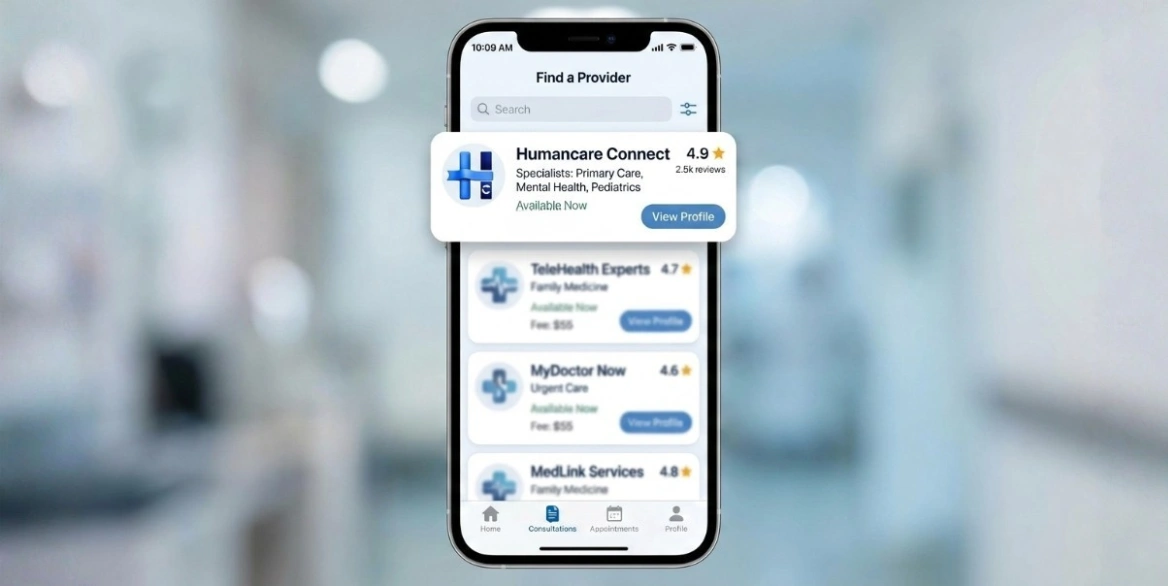
At Humancare Connect, we believe quality healthcare should be accessible, trustworthy, and convenient. Our telemedicine services connect patients with experienced healthcare professionals for online consultations, specialist advice, follow-up care, and medical second opinions.
Receive expert medical guidance from the comfort of your home while maintaining privacy, security, and a patient-focused healthcare experience.
Book your online consultation today and connect with trusted healthcare professionals wherever you are.