
Quick Answer: What Is the Future of Telemedicine?#
The future of telemedicine involves a combination of artificial intelligence, remote patient monitoring, wearable health technology, improved digital platforms, and more personalized virtual healthcare experiences.
These technologies may help healthcare professionals improve access to care, monitor patients remotely, and support better healthcare decisions. However, technology is expected to complement healthcare professionals—not replace the expertise, judgment, and human connection provided by doctors.
Introduction #
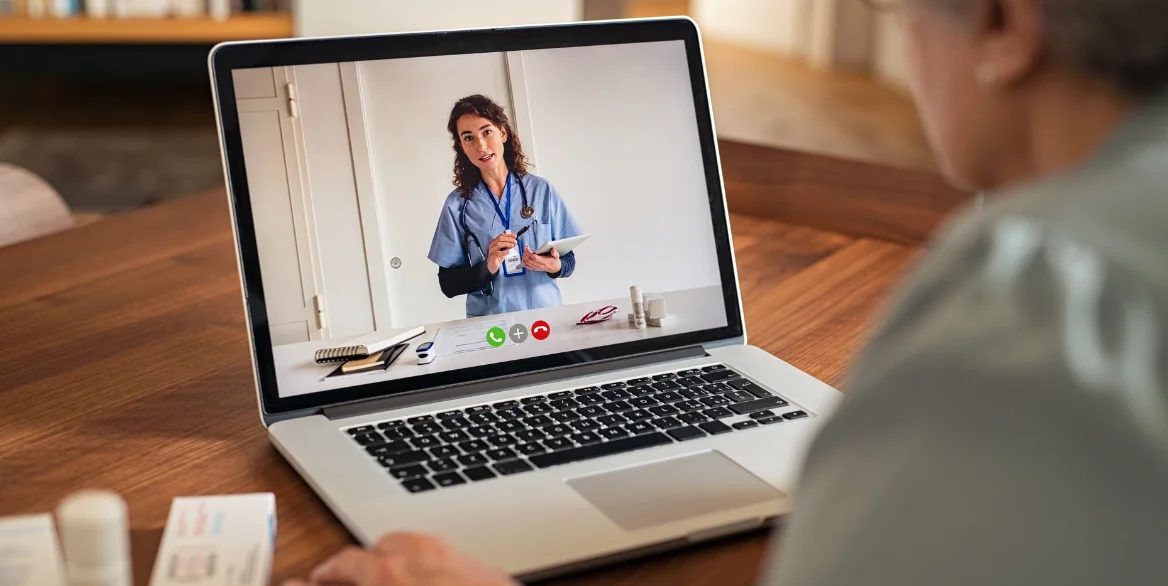
Telemedicine has transformed healthcare by allowing patients to connect with doctors and specialists without the need to travel. What began as a convenient alternative for remote consultations is now becoming a major part of modern healthcare systems worldwide.
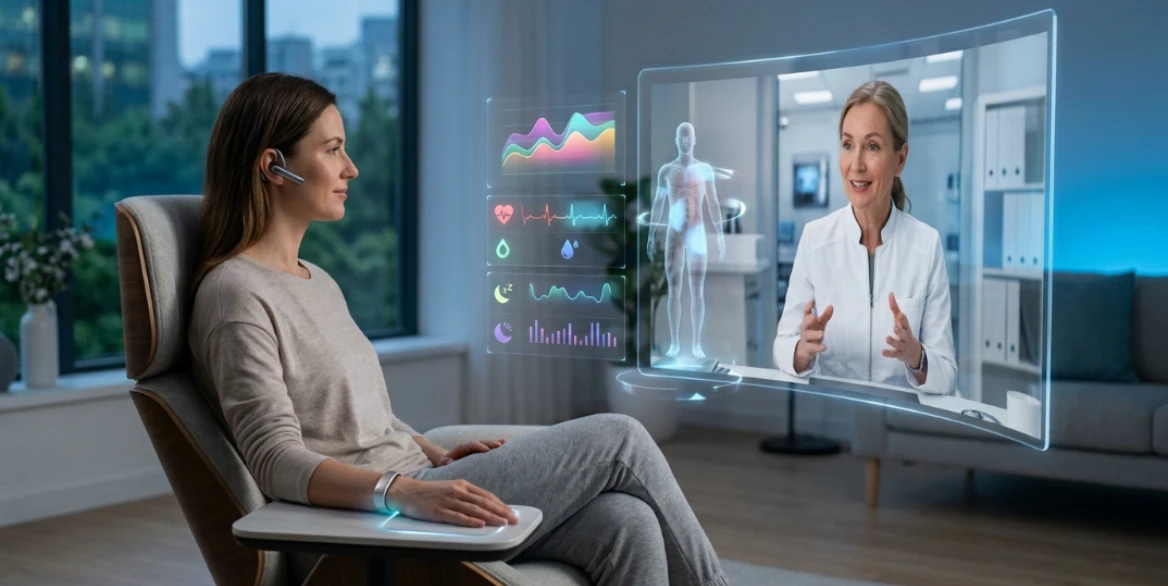
Advancements in artificial intelligence, wearable technology, digital health platforms, and remote monitoring are changing how healthcare is delivered.
As technology continues to evolve, the future of telemedicine is expected to focus on three major goals:
- • Improving access to quality healthcare
- • Providing more personalized patient experiences
- • Supporting healthcare professionals with better information and digital tools
This guide explains everything you need to know before booking an online doctor consultation.
Benefits of Using Telemedicine Platforms #
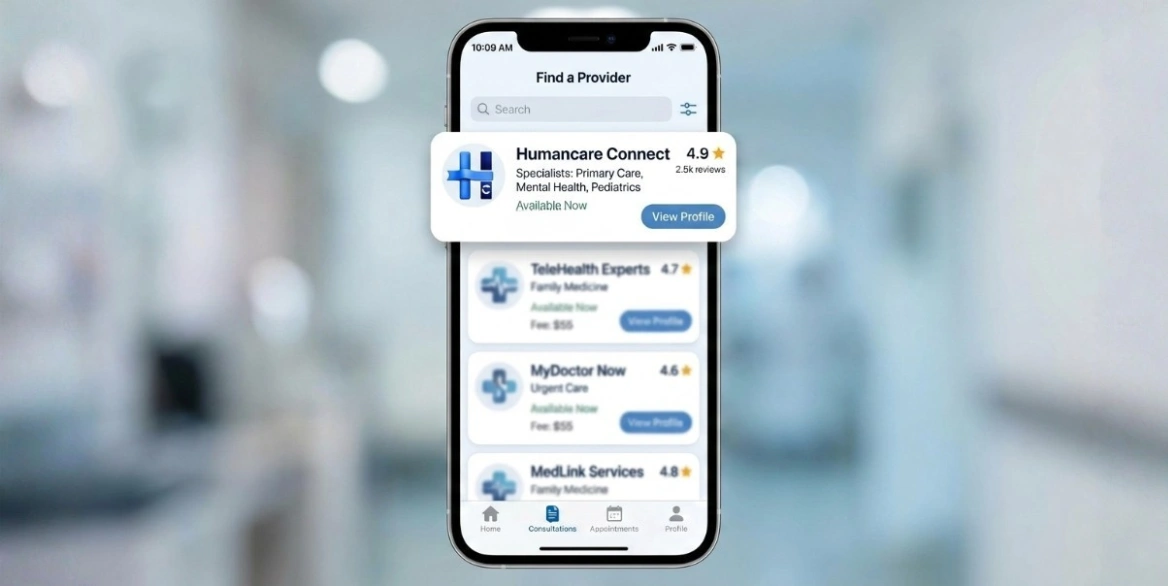
Telemedicine platforms make healthcare more accessible by reducing travel, improving convenience, and connecting patients with qualified healthcare professionals from virtually anywhere.
Artificial Intelligence in Telemedicine
Artificial intelligence (AI) is helping improve digital healthcare by supporting health data analysis, clinical decision-making, administrative workflows, patient education, and symptom assessment tools. AI supports healthcare professionals but does not replace medical expertise or clinical judgment.
Remote Patient Monitoring (RPM)
Connected health devices allow healthcare professionals to monitor blood pressure, blood glucose, heart rate, oxygen levels, weight, and other health indicators remotely, helping support patients with chronic conditions through timely follow-up and guidance.
Wearable Health Technology
Smartwatches, fitness trackers, continuous glucose monitors, and other connected devices help patients track their health while providing valuable information that can support discussions with healthcare professionals.
Better Access to Specialists Worldwide
Future telemedicine will continue reducing geographical barriers, enabling patients to access international specialists, medical second opinions, and follow-up care for complex or rare medical conditions.
More Personalized Digital Healthcare
Future telemedicine platforms are expected to deliver more personalized care through improved patient portals, easier access to medical records, customized health reminders, and better communication between patients and healthcare teams.
Challenges and Limitations of Future Telemedicine #
While digital healthcare is advancing rapidly, several challenges must be addressed to ensure telemedicine remains safe, effective, and accessible for everyone.
Data Privacy & Cybersecurity
As healthcare becomes more digital, protecting sensitive patient information remains essential. Secure platforms, protected medical records, responsible data management, and compliance with healthcare privacy regulations help ensure safe virtual care.
Patient Responsibility
Patients also contribute to digital healthcare security by using trusted telemedicine platforms, protecting passwords, and accessing healthcare services through secure devices and internet connections.
Technology Access & Digital Literacy
Not everyone has access to smartphones, computers, reliable internet, or the skills needed to use digital healthcare tools. Future telemedicine should focus on creating technology that is simple, inclusive, and easy for patients of all ages and backgrounds.
Limitations of Artificial Intelligence
AI can support healthcare by analyzing data and improving efficiency, but it cannot replace a doctor's clinical judgment, physical examinations, human empathy, or individualized medical decision-making.
Emerging Telemedicine Trends for the Next Decade#
The next generation of telemedicine is expected to become more intelligent, connected, and personalized.
AI-Assisted Healthcare Tools
Artificial intelligence is expected to play a greater role in supporting digital healthcare while healthcare professionals continue making final clinical decisions.
AI may help improve:
- • Appointment scheduling
- • Patient communication
- • Health data analysis
- • Administrative efficiency
- • Clinical support systems
AI can improve efficiency, but medical decisions should always remain under qualified healthcare professionals.
Expansion of Remote Patient Monitoring
Remote patient monitoring is expected to become more common for managing long-term health conditions.
This may support patients with:
- • Diabetes
- • Heart conditions
- • High blood pressure
- • Respiratory diseases
Continuous health information can help healthcare teams identify trends and provide timely guidance when appropriate.
Growth of Virtual Specialist Consultations
Patients may increasingly use telemedicine to connect with specialists across different cities and countries.
This can improve access to:
- • Medical second opinions
- • Specialized healthcare expertise
- • Follow-up care after treatment
Virtual specialist consultations can help reduce geographical barriers and improve access to expert medical care.
Integration of Digital Health Records
Future telemedicine platforms are expected to provide better integration of patient health information.
This may include:
- • Patient medical histories
- • Laboratory results
- • Imaging reports
- • Treatment plans
Better data sharing can support more coordinated, informed, and efficient healthcare.
More Personalized Patient Experiences
Future virtual healthcare is expected to become more personalized and patient-centered.
Future platforms may include:
- • Customized health recommendations
- • Improved patient portals
- • Automated appointment reminders
- • Better communication between patients and healthcare providers
The goal is to make healthcare more convenient while keeping patients actively involved in their health decisions.
Common Myths About the Future of Telemedicine #
| Myth | Fact |
|---|---|
| AI will replace doctors completely | AI is expected to support healthcare professionals, not replace medical expertise and human judgment. |
| Telemedicine will eliminate hospitals | Hospitals will continue to be essential for emergencies, surgeries, and complex medical procedures. |
| Remote monitoring means doctors watch patients constantly | Remote monitoring systems collect health information according to the treatment plan and technology being used. |
| Digital healthcare is only for young people | User-friendly technology can make telemedicine accessible for people of different age groups. |
| Future healthcare will be entirely virtual | The future is likely to be a hybrid model that combines virtual care with in-person healthcare whenever appropriate. |
Frequently asked questions
What is the future of telemedicine?
Will AI replace doctors in the future?
What is remote patient monitoring?
How do wearable devices support telemedicine?
Is digital healthcare safe?
Will telemedicine become more common?
Can telemedicine help patients in remote areas?
What diseases can be monitored remotely?
Will telemedicine replace traditional healthcare?
How can patients prepare for the future of digital healthcare?
Key takeaways
- The future of telemedicine will likely combine AI, remote monitoring, wearable devices, and advanced digital platforms
- Technology can improve convenience, accessibility, and healthcare efficiency.
- AI is designed to support healthcare professionals rather than replace them.
- A combination of virtual and in-person care is expected to define the future of healthcare
- Patient privacy, cybersecurity, and equal access to technology will remain essential challenges.