

Quick Answer: How Does a Telemedicine Appointment Work?#
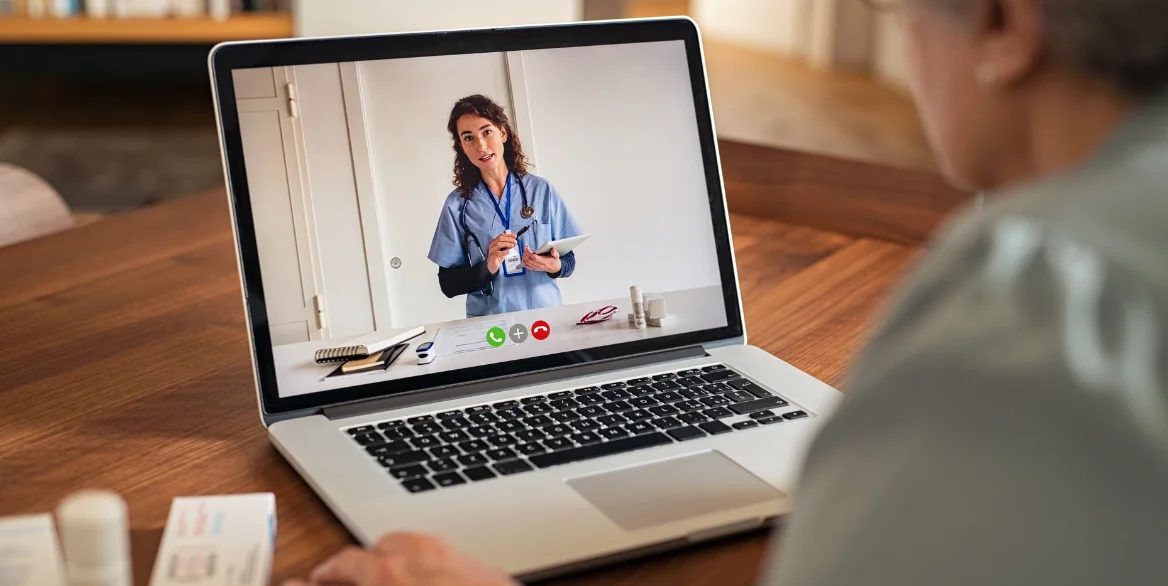
A telemedicine appointment is a virtual healthcare visit where patients communicate with doctors through video calls, phone calls, or secure digital platforms. The process usually includes scheduling an appointment, sharing medical information, connecting with the healthcare professional remotely, discussing symptoms and medical history, receiving medical guidance, and arranging follow-up care if needed.
Telemedicine appointments make healthcare more convenient by reducing the need for travel while allowing patients to receive professional medical advice from their home or any private location with an internet connection.
Introduction #
Visiting a doctor traditionally involved traveling to a clinic, waiting for your appointment, and having an in-person consultation. While face-to-face medical care remains essential in many situations, digital technology has created a more convenient way to access healthcare — telemedicine appointments.
Today, patients can speak with doctors, specialists, and healthcare professionals through secure online platforms without leaving their homes. This is particularly helpful for people with busy schedules, elderly patients, individuals living far from specialists, and international patients seeking expert medical opinions.
However, many people who have never used virtual healthcare often ask:
- What happens during an online doctor appointment?
- How should I prepare for a telemedicine visit?
- What technology do I need?
- Will the doctor be able to understand my health concerns remotely?
- Is a virtual appointment private and secure?
Understanding the telemedicine process can help patients feel more comfortable and prepared before their first virtual consultation.
This complete guide explains every stage of a telemedicine appointment, from booking the consultation to receiving follow-up care.
Before Your Telemedicine Appointment: Getting Started #
A successful virtual healthcare visit begins before you speak with a doctor. Proper preparation helps healthcare professionals better understand your condition and provide appropriate medical guidance.
Choose the Right Telemedicine Provider
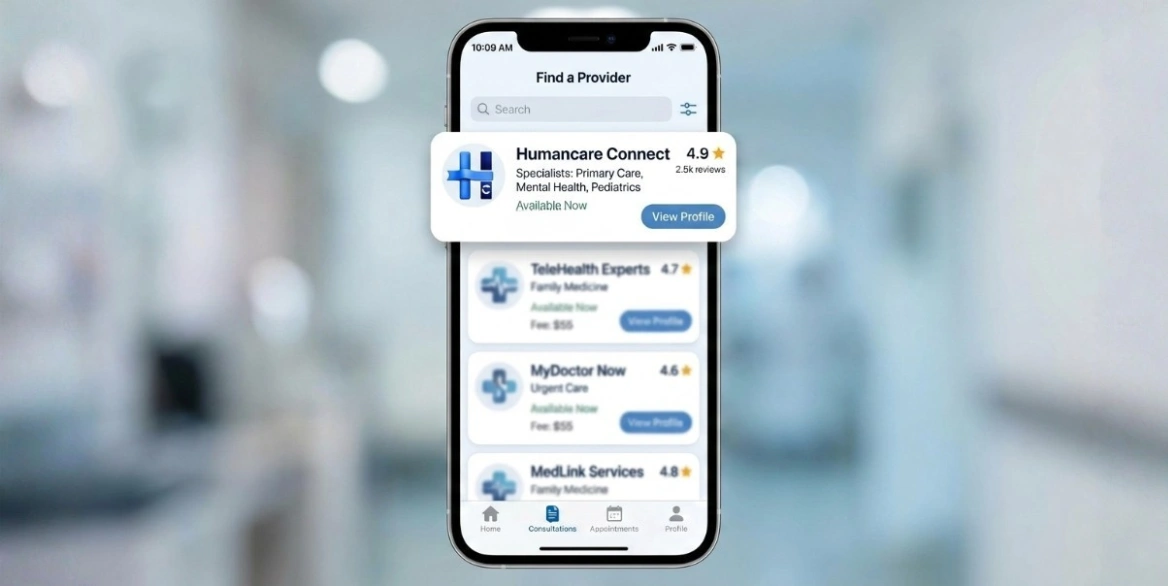
Start by selecting a trusted telemedicine provider that offers the healthcare services you need. A reliable platform should make the consultation process simple while maintaining high standards of patient care.
When comparing providers, consider:
- • Qualified healthcare professionals
- • Availability of specialists
- • Patient support services
- • Privacy and data security practices
- • Easy appointment scheduling
- • Transparent consultation fees
Schedule Your Online Doctor Appointment
After choosing a provider, book your appointment through the available platform. Most providers allow scheduling through a website, mobile app, patient portal, or customer support.
You may be asked to provide:
- • Your name and contact information
- • Basic medical history
- • Reason for the consultation
- • Preferred doctor or specialty
- • Preferred appointment date and time
Selecting the appropriate healthcare professional helps ensure you receive guidance suited to your medical needs.
Prepare Your Medical Information
Before your appointment, gather important medical documents so your healthcare professional can better understand your health history and current condition.
Prepare the following if available:
- • Previous medical records
- • Blood test results
- • X-rays, CT scans, or MRI reports
- • Current medications
- • Allergy information
- • Previous treatments or surgeries
Complete medical records are especially valuable when seeking specialist consultations or medical second opinions.
Prepare Your Technology and Environment
A successful telemedicine visit depends on having the right technology and a comfortable environment before your consultation begins.
Before your appointment:
- • Use a smartphone, tablet, laptop, or desktop computer
- • Ensure your camera and microphone work properly
- • Test your internet connection
- • Charge your device or keep it connected to power
- • Choose a quiet, private location
- • Ensure good lighting for video consultations
Proper preparation helps create a smoother consultation and improves communication with your healthcare professional.
Connect With Your Doctor Online
At your scheduled appointment time, join the telemedicine platform using your preferred device. Depending on the provider, consultations may be conducted through different communication methods.
Common consultation options include:
- • Video consultations for face-to-face interaction
- • Telephone consultations for suitable follow-up care
- • Secure messaging for non-emergency communication
- • Medical report and document sharing
During the consultation, your healthcare professional will discuss your symptoms, review your medical information, answer your questions, and recommend the appropriate next steps based on your individual healthcare needs.
Discuss Your Symptoms and Medical History
During your consultation, your healthcare professional will ask detailed questions to better understand your condition and provide appropriate medical guidance.
You may be asked about:
- • When your symptoms started
- • How severe your symptoms are
- • What makes your symptoms better or worse
- • Previous medical conditions
- • Current medications
- • Allergies
- • Family medical history
- • Previous treatments or surgeries
Providing complete and accurate information helps your healthcare professional understand your health concerns and recommend appropriate next steps.
Share Medical Reports and Diagnostic Results
Most telemedicine platforms allow patients to securely upload medical documents before or during the consultation, giving doctors important information for evaluation.
Documents may include:
- • Blood test reports
- • X-rays
- • MRI scans
- • CT scan reports
- • Pathology reports
- • Previous prescriptions
- • Hospital discharge summaries
Sharing complete medical records is especially valuable for specialist consultations and medical second opinions.
Receive Doctor Evaluation and Medical Guidance
After reviewing your symptoms, medical history, and available reports, your healthcare professional will explain their assessment and discuss the most appropriate recommendations.
You may receive:
- • Possible causes of your symptoms
- • Guidance for managing your condition
- • Lifestyle recommendations where appropriate
- • Advice on additional tests if needed
- • Recommendations for in-person care when necessary
- • Prescriptions where permitted by applicable laws
Some conditions require physical examinations, laboratory tests, imaging, or medical procedures, and your doctor may recommend an in-person visit when additional evaluation is necessary.
Review Your Treatment Plan and Next Steps
Before your consultation ends, your healthcare professional will explain the next stage of your care and answer any questions you may have.
Your treatment plan may include:
- • Treatment recommendations
- • Lifestyle and self-care guidance
- • Recommended diagnostic tests
- • Follow-up appointments
- • Referrals to specialists when appropriate
Understanding your treatment plan helps you confidently manage your health after the consultation.
Attend Follow-Up Telemedicine Appointments
Healthcare often requires ongoing communication. Follow-up virtual appointments help healthcare professionals monitor your progress and make adjustments when needed.
Follow-up visits can help you:
- • Monitor recovery
- • Discuss changes in symptoms
- • Review test results
- • Adjust treatment plans
- • Manage long-term medical conditions
Regular follow-up appointments support continuity of care while reducing unnecessary travel and making healthcare more convenient.
Common Situations Where Telemedicine Appointments Are Helpful #
Telemedicine can be a convenient option for many non-emergency healthcare needs, allowing patients to receive timely medical guidance without unnecessary travel.
General Health Concerns
Telemedicine is suitable for discussing many common non-emergency medical concerns, including:
- • Cold or flu symptoms
- • Allergies
- • Minor infections
- • Digestive concerns
- • Headaches
Chronic Disease Follow-Ups
Virtual appointments can support ongoing monitoring and management of long-term health conditions such as:
- • Diabetes
- • High blood pressure
- • Asthma
- • Thyroid disorders
Specialist Consultations
Patients can connect with specialists across multiple medical specialties, including:
- • Cardiology
- • Neurology
- • Orthopedics
- • Dermatology
- • Oncology second opinions
Reviewing Medical Reports
Telemedicine is an effective way to review medical documents and discuss treatment progress, including:
- • Blood test results
- • Imaging reports
- • Treatment progress
- • Previous diagnoses
Benefits of Telemedicine Appointments #
Telemedicine appointments make healthcare more convenient, accessible, and efficient by allowing patients to connect with qualified healthcare professionals without unnecessary travel.
Convenience and Comfort
Consult healthcare professionals from the comfort of your home while avoiding:
- • Long travel times
- • Transportation difficulties
- • Waiting rooms
- • Time away from work or family
Faster Access to Healthcare Professionals
Virtual appointments often provide quicker access to medical guidance for:
- • Minor health concerns
- • Follow-up consultations
- • Medication discussions
- • Test report reviews
- • Specialist consultations
Access to Specialists
Connect with experienced specialists across multiple medical fields, including:
- • Cardiology
- • Oncology
- • Neurology
- • Orthopedics
- • Dermatology
- • Gastroenterology
Medical Second Opinions
Securely share important medical documents to receive expert second opinions, including:
- • Medical records
- • Blood reports
- • Imaging scans
- • Previous treatment plans
Better Continuity of Care
Telemedicine supports ongoing healthcare by making it easier to:
- • Monitor long-term conditions
- • Review recovery progress
- • Discuss medication changes
- • Evaluate test results
- • Schedule follow-up appointments
Who Should Consider a Telemedicine Appointment? #
Telemedicine can benefit many patients by making healthcare more convenient, accessible, and easier to fit into everyday life. It is particularly helpful for the following groups:
Elderly Patients
Older adults with mobility challenges or chronic health conditions can receive medical guidance from home, reducing the need for frequent travel while maintaining regular communication with healthcare professionals.
Busy Professionals
People with demanding schedules can save time by avoiding travel and long waiting periods, making it easier to keep up with routine consultations and follow-up appointments.
Patients in Rural or Remote Areas
Individuals with limited access to nearby hospitals or specialists can connect with qualified healthcare professionals from different cities or regions through virtual consultations.
International Patients
Telemedicine allows international patients to discuss medical concerns, securely share reports and imaging studies, obtain specialist opinions, and understand treatment options before medical travel, especially for complex conditions.
Patients Managing Chronic Conditions
Patients with long-term conditions such as diabetes, high blood pressure, heart disease, asthma, or thyroid disorders can use regular virtual follow-up appointments to monitor their health and discuss ongoing treatment with their healthcare providers.
When Is a Telemedicine Appointment Not Appropriate? #
While telemedicine is a convenient option for many non-emergency healthcare needs, some medical situations require an in-person evaluation, diagnostic testing, or immediate medical attention.
Severe Injuries
Serious injuries such as fractures, deep wounds, or major trauma require immediate in-person assessment and treatment.
Conditions Requiring Surgery
Medical conditions that need surgical procedures or direct medical intervention must be managed at a hospital or healthcare facility.
Physical Examinations
Some symptoms can only be properly evaluated through a hands-on physical examination performed by a healthcare professional.
Emergency Medical Conditions
Severe chest pain, difficulty breathing, signs of stroke, severe bleeding, or loss of consciousness require immediate emergency medical care rather than a virtual consultation.
Diagnostic Tests and Procedures
Certain laboratory tests, imaging studies, and specialized diagnostic procedures must be performed in person to support accurate diagnosis and treatment.
If a virtual consultation does not provide enough information, your healthcare professional may recommend an in-person visit for further evaluation or treatment.
Emergency Situations That Require Immediate In-Person Medical Care #
Telemedicine should not be used for life-threatening emergencies.
Seek immediate emergency medical assistance if you experience:
- • Severe chest pain
- • Difficulty breathing
- • Sudden weakness or paralysis
- • Signs of stroke, such as difficulty speaking or facial drooping
- • Heavy bleeding
- • Loss of consciousness
- • Severe allergic reactions
- • Major accidents or injuries
Immediate emergency services or the nearest emergency department should be contacted in these situations.
Is a Telemedicine Appointment Safe and Private? #
Patient safety and confidentiality are essential parts of virtual healthcare.
Reputable telemedicine providers use secure technologies and follow appropriate healthcare privacy and data protection practices to protect patient information.
Patients can improve their privacy by:
- • Using a secure internet connection
- • Attending appointments in a private location
- • Avoiding public Wi-Fi when discussing sensitive health information
- • Choosing trusted telemedicine providers
Understanding Telemedicine Appointment Costs #
The cost of a telemedicine appointment depends on multiple factors, including:
- • Type of healthcare professional
- • Medical specialty
- • Country or region
- • Duration and complexity of the consultation
- • Healthcare provider's pricing structure
In some regions, health insurance may cover certain telemedicine services depending on the patient’s insurance plan and local regulations.
Patients should check with both their healthcare provider and insurance company to understand their coverage and potential out-of-pocket costs.
Telemedicine Appointment Myths vs Facts #
| Myth | Fact |
|---|---|
| Online doctor appointments are not real medical consultations | Qualified healthcare professionals can provide appropriate medical guidance remotely where suitable. |
| Telemedicine is only useful for minor illnesses | Telemedicine can also support specialist consultations, chronic disease management, and medical second opinions. |
| A virtual appointment can replace every hospital visit | Some conditions require physical examinations, tests, procedures, or emergency treatment. |
| Telemedicine is not secure | Reputable platforms use security measures designed to protect patient information. |
| Older adults cannot use telemedicine | Many elderly patients successfully use virtual healthcare with appropriate support. |
The Future of Telemedicine Appointments #
Telemedicine continues to evolve with advancements in digital healthcare technology, making virtual care more accessible, efficient, and patient-centered.
Future developments may include:
- • Better video communication systems
- • Improved patient portals
- • Remote monitoring devices
- • Artificial intelligence-assisted healthcare tools
- • More personalized virtual healthcare experiences
These advancements aim to improve convenience and healthcare accessibility while supporting healthcare professionals in delivering effective care.
Why Choose Humancare Connect for Your Telemedicine Appointment? #
At Humancare Connect, we aim to make quality healthcare accessible and convenient for patients across different regions. Our telemedicine services connect you with experienced healthcare professionals through a secure and patient-centered virtual care experience.
Experienced Healthcare Professionals
Connect with qualified doctors and specialists who can review your concerns, evaluate your medical information, and guide you through the next steps of your healthcare journey.
Specialist Consultations
Access expert opinions across multiple medical specialties without the need for unnecessary travel, helping you receive the care and guidance you need more conveniently.
Medical Second Opinions
Receive additional expert insights on complex diagnoses, major treatment decisions, and ongoing treatment plans to help you make informed healthcare decisions.
International Patient Support
Patients from different countries can securely share medical reports, discuss treatment options, and seek specialist guidance remotely before planning further care.
Convenient and Patient-Centered Care
Our goal is to simplify healthcare by providing an easy, secure, and patient-focused way to connect with healthcare professionals from the comfort of your home.
Book your telemedicine appointment with Humancare Connect today and take the first step toward accessible, modern healthcare.
Frequently Asked Questions (FAQs)
What is a telemedicine appointment?
How long does a telemedicine appointment usually take?
What should I do before my first telemedicine appointment?
What happens during a telemedicine appointment?
Can a doctor diagnose a medical condition during an online appointment?
Can doctors prescribe medication through telemedicine?
Are telemedicine appointments private and secure?
What technology do I need for a telemedicine visit?
Can I use telemedicine for specialist consultations?
Can I get a second opinion through telemedicine?
Are telemedicine appointments suitable for elderly patients?
Can international patients book telemedicine appointments?
How much does an online doctor appointment cost?
What conditions can be treated during a telemedicine appointment?
What are the advantages of a telemedicine appointment?
Key Takeaways
- A telemedicine appointment allows patients to consult healthcare professionals remotely using secure digital technology.
- The process typically involves booking an appointment, preparing medical information, attending the virtual consultation, receiving medical guidance, and scheduling follow-up care when necessary.
- Telemedicine provides convenient access to doctors, specialists, and second opinions without unnecessary travel.
- It is suitable for many non-emergency healthcare needs but does not replace emergency medical treatment or situations requiring physical examination.
- Choosing a trusted telemedicine provider helps ensure a safe, private, and effective healthcare experience.