
What Is Telemedicine?#
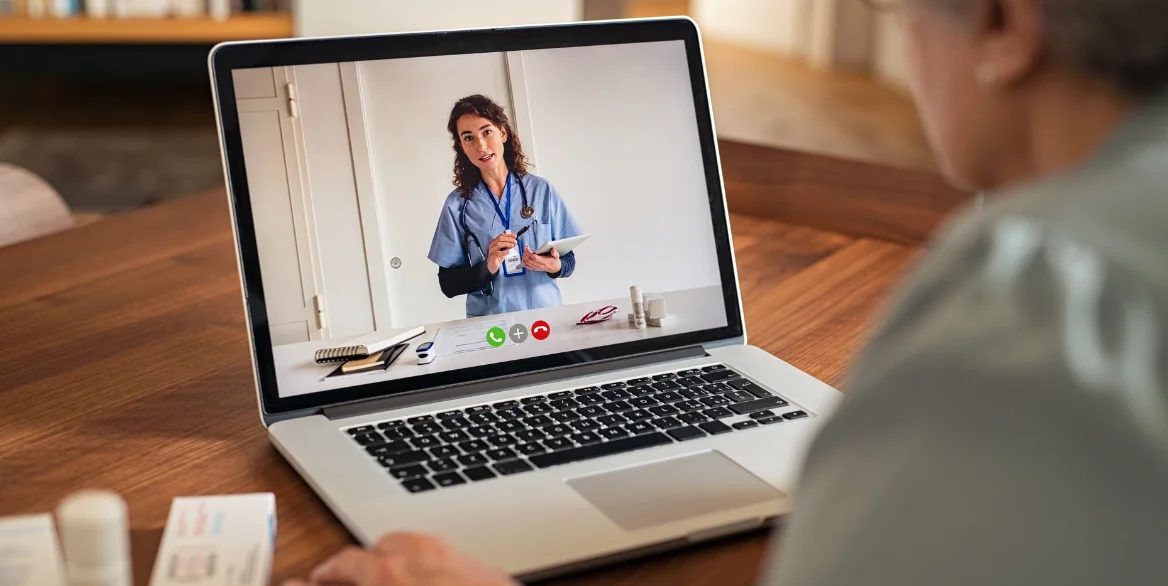
Telemedicine refers to the delivery of healthcare services remotely through digital technologies, including video consultations, phone calls, mobile applications, and secure online platforms. It enables the patients to get the consultation of doctors and healthcare professionals without visiting the hospital or a clinic physically.
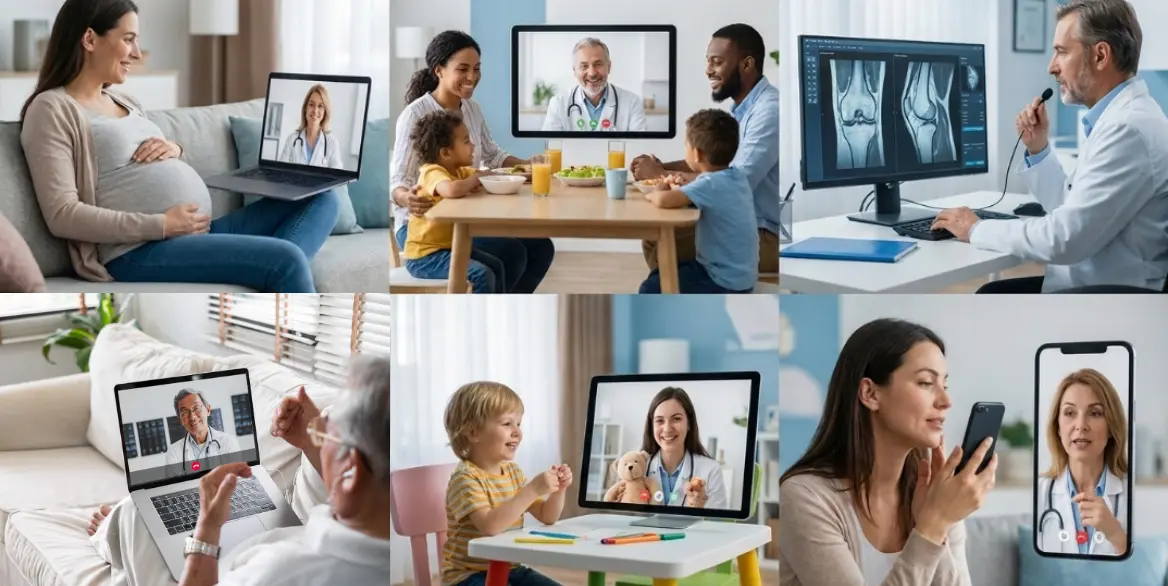
General health issues, specialist consults, follow-up visits, chronic disease management, mental health care, preventive care and medical second opinions can all be managed with telemedicine. It makes healthcare more accessible by overcoming geographical boundaries and making medical services more convenient for patients.
Key takeaways
- Telemedicine lets you consult a licensed doctor remotely by video, phone, or chat.
- It's best suited to consultations, follow-ups, chronic care and minor illness — not emergencies.
- Most insurance plans in India and the US now reimburse virtual consultations.
- Humancare Connect verifies every doctor's license before they see patients.
Benefits of telemedicine #
Virtual care removes many of the practical barriers that keep people from seeing a doctor early. Here's what patients consistently report:
Better access to care
Reach a doctor from rural areas or underserved regions without long travel times.
Saves time and travel
Skip the commute and waiting room — consult from home, work, or on the go.
Convenient chronic care
Regular check-ins for diabetes, hypertension and other ongoing conditions.
Easy second opinions
Get a specialist's perspective on a diagnosis without a new round of referrals.
Flexible scheduling
Evening and weekend slots that fit around work and family commitments.
Reduced infection risk
Avoid crowded waiting rooms, especially valuable for immunocompromised patients.
How telemedicine works #
A typical Humancare Connect consultation follows five simple steps, usually completed within minutes:
Book an appointment
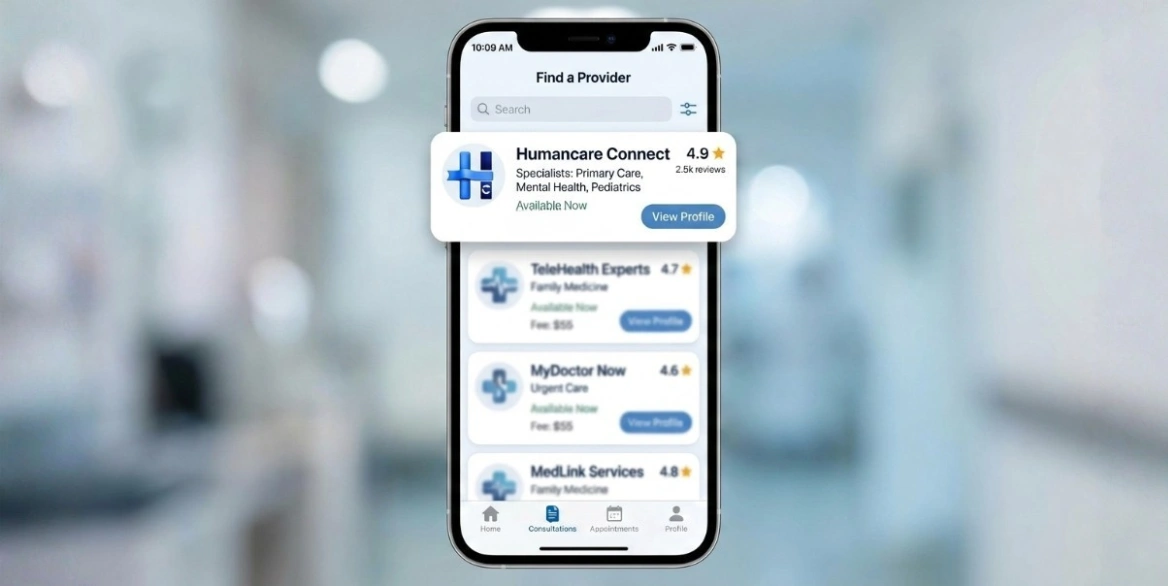
Choose a doctor by specialty and pick a time slot that works for you.
Upload reports
Share prior prescriptions, test results, or photos securely before the call.
Meet your doctor
Join a live video or audio consultation at your scheduled time.
Receive advice
Get a diagnosis, e-prescription, and care plan sent straight to your account.
Follow up
Book a quick follow-up call if symptoms persist or tests come back.
Types of telemedicine #
Telemedicine isn't one single format — it covers a few distinct modes of care, often used together:
- Live video consultation: Real-time video call with a doctor, closest to an in-person visit.
- Store-and-forward: Photos, scans or reports are sent ahead for a specialist to review asynchronously.
- Remote patient monitoring: Wearables or home devices track vitals like blood pressure or glucose over time.
- Mobile health (mHealth): Apps for medication reminders, symptom tracking and health education.
"The biggest shift with telemedicine isn't the technology — it's that patients now seek help at the first sign of a problem, instead of waiting until it becomes urgent."
— Dr. Rohan Mehta, MD, Internal Medicine
Telemedicine vs. traditional in-person care #
Neither model replaces the other entirely — they serve different needs. Here's how they compare:
| Factor | Telemedicine | In-person visit |
|---|---|---|
| Wait time | Minutes, not hours | Often 30–60+ minutes |
| Travel required | None | Yes |
| Physical examination | Limited | Full examination possible |
| Best for | Consults, follow-ups, minor illness | Emergencies, surgery, imaging |
| Prescription access | Instant e-prescription | Paper or pharmacy hand-off |
| Cost | Typically lower | Higher (facility fees) |
Telemedicine by the numbers
Conditions commonly treated over telemedicine #
- Cold, flu, allergies and minor infections
- Skin conditions (rashes, acne, mild eczema)
- Diabetes and hypertension follow-ups
- Mental health and counselling sessions
- Prescription renewals and medication reviews
- Post-surgical follow-up checks
When to skip telemedicine
Chest pain, difficulty breathing, severe bleeding, stroke symptoms, or any life-threatening emergency need immediate in-person emergency care — call your local emergency number instead of booking a virtual visit.
Safety, privacy & limitations #
Reputable telemedicine platforms use encrypted video and store medical records under the same privacy standards as a hospital. At Humancare Connect, every doctor is verified against national medical council registrations before they can consult.
That said, virtual care has real limits — a doctor can't listen to your lungs or press on your abdomen through a screen. Some conditions genuinely require hands-on examination, imaging, or lab work that only a physical visit can provide.
Tip: get the most out of your consult
Keep your recent reports, current medications, and a list of symptoms ready before the call — it helps the doctor reach a clearer diagnosis faster.
Cost and insurance coverage #
Virtual consultations are typically priced lower than an in-clinic visit since they remove facility overheads. Most major insurers now reimburse telemedicine at parity with in-person visits, though coverage varies by plan and specialty. Always confirm with your provider before booking if reimbursement matters to you.
Myths vs. facts #
Telemedicine doctors aren't "real" or fully licensed physicians.
Every doctor must hold the same medical license required for in-person practice.
You can't get a prescription through a video call.
Licensed doctors can issue e-prescriptions for most non-controlled medications.
Telemedicine is only useful for minor colds.
It also supports chronic disease management, mental health and specialist follow-ups.
Need medical advice?
Connect with licensed healthcare professionals from anywhere, in minutes.